Handwriting for Heroes: Learn to Write with Your Non-Dominant Hand in Six Weeks
Kathleen Yancosek and Kristin Gulick
Loving Healing Press (2009)
ISBN 9781932690699
Reviewed by Randy A Lakin for RebeccasReads (11/09)
When I first received this book, or should I say workbook, “Handwriting for Heroes”, I was pleasantly surprised by its content. I was expecting a lot of reading to be involved as with so many books on the market. This workbook is different, it is filled with writing exercise after exercise, and that is great. This workbook is for any individual that has lost full or partial use of their dominant hand and wants to re-learn how to write. When you stop to think about it, if you want to learn how to write with your non-dominant hand you have to write. The old saying, “Practice Makes Perfect”, is what this book is based on. No matter what your injury is, amputation, stroke, or extensive soft tissue trauma, this workbook is for you.
“Handwriting for Heroes”, targets adults and helps preserves the dignity of those who must “re-learn” the basics of handwriting. Each chapter is filled with repetitive exercises that will increase one’s fine-motor skills. There are six chapters as well as a Certificate of Completion at the end of the book. In each chapter there are also tips for therapist, which include exercises and information about proper posture and lighting. The authors have provided homework assignments that are easily done in the convenience of one’s own home while watching TV or relaxing. The tasks are oriented to the adult learner no matter what your education level may be. Learning to write with the previously non-dominant hand can be a rewarding accomplishment along the path to recovery. It is an accomplishment that leads to improved self-esteem, increased work opportunities, or occupations.
This workbook is designed to help those individuals with dominant-hand problems or injuries regain their writing skills and self respect. The authors did a wonderful job with this workbook. If you have a non-dominant-hand injury or just want to learn to write with you opposite hand, look no further. I recommend this book to anyone wishing to learn how to write with their non-dominant hand.
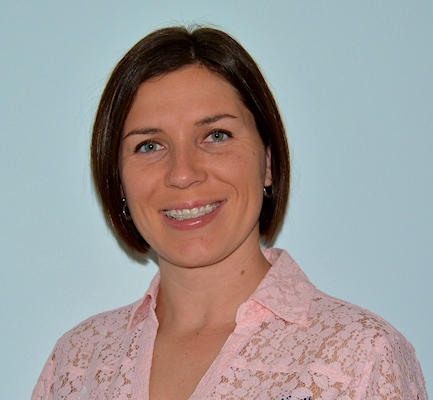 Amanda Sammons is an officer in the Army Medical Specialist Corps. She graduated from West Virginia University with a Bachelor’s of Science degree in athletic training, from Shenandoah University with a Master’s of Science degree in occupational therapy, and from Baylor University with a Doctor of Science degree in occupational therapy. She currently lives in San Antonio, Texas with her husband.